
Monthly Recommendations To Improve Your SEO Strategy: An In-Depth Guide for Sustainable Growth
Struggling to attract new leads, wondering why website traffic is stagnant, or finding it difficult to measure your digital marketing effectiveness? Monthly recommendations to improve your SEO strategy can be the difference between getting overlooked and becoming the business your clients trust. In today’s digital-first landscape, a well-structured SEO and digital marketing plan is critical—not just for visibility, but for sustainable growth and conversion. This guide clarifies what truly matters, delivers actionable guidance, and outlines realistic ways to build a robust web presence. Whether you’re refining your SEO, revamping your web design, launching mobile apps, or optimizing campaigns, you’ll find the frameworks and practical advice you need. The guide is crafted by experts at Boxmark Digital, supporting informed business decisions every step of the way.
Strategic Context: Why Monthly SEO Recommendations Matter
Why This Topic Matters for Your Business
Staying relevant online is a moving target. The search engine landscape evolves rapidly—algorithm updates, changing user behaviors, and your competitors’ constant innovation mean yesterday’s strategies may no longer drive results. Regular, monthly SEO recommendations ensure your tactics align with current search trends and best practices, keeping you ahead of change. They empower you to proactively identify problems, leverage new opportunities, and deploy resources efficiently.
Typical Problems Regular Recommendations Solve
- Ineffective keyword targeting leading to wasted content efforts.
- Websites failing to convert visitors despite traffic growth.
- Mobile app features not being indexed or discoverable in search.
- Digital marketing campaigns with unclear objectives or attribution.
- Neglected technical issues causing site penalties or ranking drops.
For a deeper dive on how SEO audits address these problems, see this comprehensive SEO audit guide.
Key Concepts You Must Understand
Basic Definitions
- SEO Strategy: A holistic, ongoing plan optimizing all aspects of your online presence—content, technical performance, UX, and authority—to improve visibility and attract relevant users.
- Keyphrase Targeting: Mapping your content around search phrases your audience uses, focusing on both intent and business goals.
- Conversion-Focused Web Design: Structuring your website layout, navigation and calls-to-action to maximize the percentage of visitors who become leads or customers.
- Analytics & Measurement: Systematically tracking and interpreting data to guide digital decisions.
Differences Versus Other Approaches
| Channel | SEO Strategy | Paid Campaigns | Traditional Marketing |
|---|---|---|---|
| Cost | Long-term investment | Ongoing spend | High, less measurable |
| Time to Results | Medium/Long-term | Immediate/Short-term | Varies, often slow |
| Measurement | Detailed analytics, ongoing | Precise but tied to spend | Challenging |
| Sustainability | High | Stops when spend stops | Low/Medium |
Compared to one-off campaigns or traditional ads, a monthly SEO strategy builds equity and visibility in search—delivering more sustainable business results.
Common Mistakes and Bad Practices in SEO Strategy
Overlooking Local SEO Optimization
Ignoring local SEO practices can cause businesses to miss out on valuable nearby customers. Not claiming your Google Business Profile, inconsistent citations, and inaccurate location data commonly restrict visibility in local searches.
Neglecting Conversion-Focused Web Design
Many sites focus heavily on traffic but ignore user flow, call-to-actions, or optimization for mobile. As a result, users fail to convert. Strong SEO only goes so far without a web design that supports business goals.
Failing to Measure and Adapt Digital Marketing
Running campaigns without proper tracking, attribution, or clear objectives makes it impossible to know what’s working. Without monthly measurement and review, budgets are wasted and opportunities missed. Get started with a structured audit and adopt continuous improvement cycles.
Best Practices and Recommended Framework for Monthly SEO Improvement
Step 1: Audit and Benchmark
- Conduct a technical and content audit using Google Search Essentials (official guidelines).
- Benchmark your current rankings, load speed, and conversion rates.
- Compare against key competitors in your space.
Step 2: Monthly Planning and On-Page Optimization
- Research new keyword opportunities aligned with evolving user intent and seasonal trends.
- Update content and metadata based on these findings.
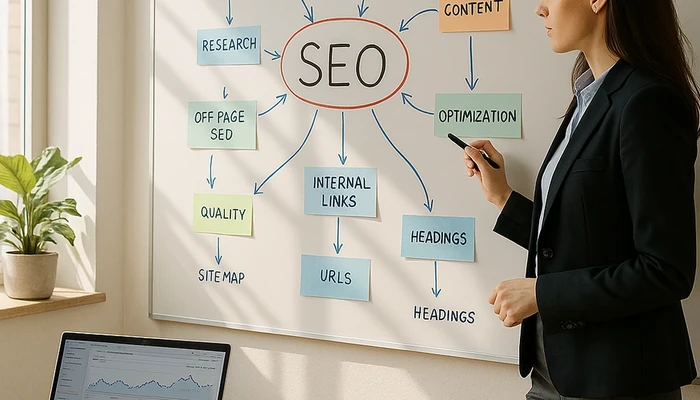
- Improve on-page elements: headings, images, internal linking, and mobile experience.
- Integrate conversion elements: Optimize CTAs, forms and offers. Learn more about conversion tactics.
Step 3: Off-Page, Technical and Reporting
- Develop high-quality inbound links and monitor toxic backlinks using approved analytics tools.
- Address technical SEO: crawl errors, duplicate content, indexing issues.
- Review monthly analytics; adjust strategy to reinforce what works.
- Consider the benefits of an integrated monthly SEO service for consistent execution.
Metrics and Measurement: How to Know What’s Working
Key KPIs for Ongoing SEO Success
- Organic traffic (sessions, users, % new visits)
- Keyword rankings (especially for intent-driven, local, and conversion terms)
- Conversion rate (visits to leads or sales)
- Bounce rate and time on site
- Technical health indicators (page speed, uptime, crawl errors)
- Authority metrics (inbound links, domain rating)
How to Interpret Results
Fluctuations in traffic and rankings are common. What matters is consistency and steady improvement over time. Sudden drops may indicate technical issues. Increases in conversion, not just traffic, ultimately reflect business impact. For more in-depth ideas, see measuring SEO ROI.
Data-Driven Decisions
Effective SEO isn’t guesswork—it’s about iterating based on data. Leverage analytics to spot untapped keywords, test changes, and re-invest in channels or design elements that drive returns. To explore this further, refer to this comprehensive digital marketing blog for broad industry trends and insights.
Frequently Asked Questions (FAQ)
1. How often should I update my SEO strategy?
At least monthly. Search trends, algorithms, and your business objectives change—regular updates keep your approach effective and competitive.
2. What’s the difference between local and national SEO?
Local SEO aims to reach nearby customers through local listings and geo-targeted content; national SEO seeks broader audience visibility, often for online-first brands.
3. Can web design really impact my SEO results?
Absolutely. Conversion-focused web design enhances user experience, keeps visitors engaged, and sends positive signals to search engines—impacting both rankings and ROI.
4. How do I know which keywords to target?
Identify keywords your target audience searches for, prioritizing intent and commercial value. Monthly research ensures your strategy adapts to shifts and new trends.
5. Are paid digital marketing campaigns necessary for SEO?
Paid campaigns aren’t a replacement for SEO, but when combined, they create robust funnels and enable quick testing. Organic SEO drives long-term growth while paid ads can accelerate results.
6. What key metrics should I track?
Track organic traffic, keyword rankings, conversions, bounce rate, and technical performance. Tie every metric back to business objectives.
7. How quickly will I see results?
Most SEO improvements take several weeks to months to show significant impact. Quick wins are possible, but lasting success is built over time with regular adjustments.
8. How should app development fit into my digital marketing?
Mobile apps enhance brand reach and engagement, but need discoverability through app store optimization, SEO for landing pages, and integration with broader marketing channels.
9. What’s the role of analytics in decision-making?
Analytics highlight what’s working, what’s not, and where to invest next. Use monthly reports to spot opportunities and refine your strategy.
10. Should I handle SEO in-house or work with an agency?
Many businesses benefit from expert guidance. Agencies like Boxmark Digital provide strategic support, advanced tools, and the bandwidth to execute consistently—driving measurable ROI.
Wrap-Up and Next Steps
Improving your SEO strategy is a continual process. Monthly reviews, data-driven insights, and agile adjustments are essential for long-term visibility and growth. Remember: sustainable results require alignment of your SEO, web design, mobile apps, and digital marketing. Don’t just aim for more traffic—focus on conversion and measurable outcomes. For tailored support, consider partnering with an experienced team to guide monthly optimization and strategic planning.
Ready to assess your digital strategy? Talk to the team at Boxmark Digital for an honest evaluation.
About Boxmark Digital
Boxmark Digital is a digital marketing agency helping businesses in United States and beyond achieve sustainable growth. With years of expertise in SEO, web design, mobile app development, and data-driven campaigns, Boxmark Digital specializes in measurable, strategic solutions for local businesses, SMBs and companies seeking to win online.
chicago digital marketing company, SEO Company In Chicago, seo consultant chicago, organic seo services Indianapolis, seo services San Francisco, Washington seo marketing company, Houston best local seo services, local seo service Naperville, Columbus local seo service, best seo company in New York