

Digital Funnel Structure in SEO Marketing: A Comprehensive Guide to Strategy, Metrics, and ROI
Many businesses struggle to attract consistent leads, have websites that fail to convert, or launch marketing campaigns without clear measurement. If you’re a business owner exploring SEO, web design, mobile app development, or digital marketing, understanding the Digital Funnel Structure in SEO Marketing is essential. This guide will help you demystify key concepts, avoid common mistakes, and confidently evaluate strategies for generating and nurturing leads online. With input from the experts at Boxmark Digital, you’ll find practical insights and realistic recommendations—not empty promises or hype.
Strategic Context: Why Digital Funnels Matter in Modern Marketing
Why This Topic Matters for the Business
The digital funnel shapes how potential customers find, engage, and eventually buy from your business online. A well-architected funnel aligns your SEO, web design, app, and analytics efforts so prospects progress seamlessly from awareness to conversion. Without it, companies risk wasted budgets, missed opportunities, and unmeasurable marketing ROI.
Typical Problems This Solves
- Getting traffic but not enough leads or sales
- Unclear measurement frameworks with scattered metrics
- Disconnected tactics—SEO, design, and campaigns not aligned
- Struggling to prove marketing ROI to stakeholders
For more on SEO strategies that support business growth, check our power of SEO marketing overview.
Key Concepts You Must Understand in Digital Funnel Structure
Basic Definitions
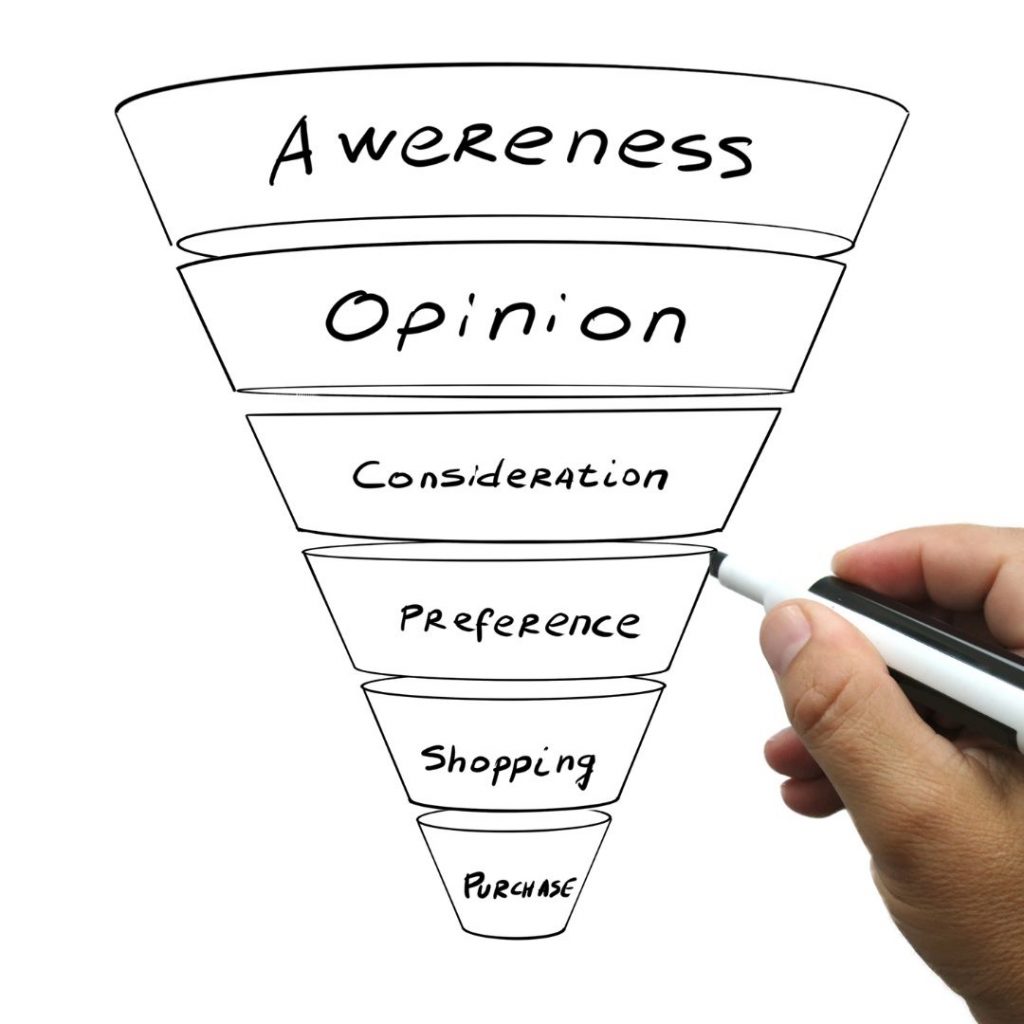
The digital funnel is a model describing the stages a prospect moves through before becoming a customer. In SEO marketing, this journey typically spans:
- Awareness: User becomes aware of the problem/need.
- Consideration: Researches solutions via web search, articles, or reviews.
- Decision/Conversion: Takes a buying action (lead, purchase, call).
- Retention/Advocacy: Returns, refers, or reviews the business.
Differences vs Other Approaches and Channels
Unlike linear advertising or one-off campaigns, a digital funnel integrates SEO, web design, app development, and analytics for ongoing, multi-touch engagement. Unlike paid-only channels, it optimizes long-term organic acquisition, retention, and cost-per-acquisition metrics.
Digital Funnels vs. Traditional Sales Funnels
| Aspect | Traditional Sales Funnel | Digital Funnel Structure |
|---|---|---|
| Channel Focus | Offline, Direct Sales, Events | SEO, Web, Apps, Paid, Social |
| Data/Analytics | Manual, Lagged | Automated, Real-Time |
| Customer Journey | Linear | Non-linear, Multi-touch |
| Conversion Points | Sales Rep Driven | User/Content Driven |
Common Mistakes and Bad Practices in Digital Funnel Structure
1. Designing Without Business Objectives
Many firms design websites and apps without mapping them to clear funnel stages or business outcomes. This leads to high bounce rates, low conversion, and unclear reporting.
2. Overlooking Local SEO and Conversion-Focused Design
Ignoring local search optimization or user-centric web design reduces funnel effectiveness, especially for SMBs trying to reach nearby customers. For advanced local SEO practices, visit Local SEO Optimization.
3. Neglecting Analytics and Measurement
Running campaigns without agreed KPIs, dashboards, or regular analysis can waste budgets and result in decisions based on guesswork. Explore core measurement approaches in Measuring SEO ROI Effectively.
Best Practices and Recommended Framework for a High-Performance Digital Funnel
Step 1: Map the Funnel to Your Customer Journey
- Use analytics to define what users do at each stage—awareness, consideration, decision, retention.
- Design site/app flows and marketing content for each stage, ensuring nothing is left to chance.
Step 2: Integrate SEO, Web Design, and App Development
- Keyword strategy should inform site architecture, content topics, and landing page design.
- Apps should sync with website data and user journeys.
- For custom app development aligned with your funnel, see our Mobile App Development services.
Step 3: Implement Analytics and Data-Driven Optimization
- Establish dashboards for traffic sources, behavior flows, and conversions.
- Run A/B tests on forms, CTAs, and content to improve conversion rates.
- Regularly review metrics to adapt strategies.
- Learn about advanced data analytics for SEO marketing at our analytics hub.
For a complete guide to digital strategy, HubSpot’s digital strategy resource provides actionable frameworks recognized industry-wide.
If you seek hands-on help structuring your funnel for better SEO, consider conversion-focused web design services tailored to your business.
Metrics and Measurement: Proving ROI with the Digital Funnel
Key KPIs at Each Funnel Stage
- Awareness: Impressions, organic traffic, branded search growth
- Consideration: Page engagement, time-on-site, downloads
- Decision: Leads, form submissions, purchases, calls
- Retention/Advocacy: Repeat visits, reviews, shares, referrals
For practical metrics tracking, refer to our detailed article on SEO metrics for your strategy.
How to Interpret Results
- Set a baseline: Use past data to establish benchmarks.
- Track progress at each stage, not just end conversion rates.
- Correlate increases or drops with specific campaigns or website changes.
Data-Driven Decisions for Continuous Improvement
- Prioritize improvements where funnel leakage is highest (e.g., high traffic, low conversions).
- Use segmentation to tailor content and outreach for different customer types.
- Measure long-term value: Are leads closing? Are they returning?
According to Ahrefs’ technical SEO insights, well-structured data and flows are crucial for guiding users through each search-driven funnel stage.
Need expert analysis? Contact Boxmark Digital for data-driven optimization support.
Frequently Asked Questions (FAQ) on Digital Funnel Structure in SEO Marketing
1. What is a digital marketing funnel and how does it work?
A digital marketing funnel visually maps customer journeys from first awareness to repeat purchase or advocacy, leveraging online channels like search, web, and apps. It helps you design content and campaigns for each stage, guiding prospects toward conversion.
2. How do I map my website and content to the funnel?
Start by identifying customer needs at each stage. Develop awareness resources (blog posts, social), consideration pieces (guides, case studies), and persuasive conversion assets (contact forms, offers, service pages). Measure each step with analytics.
3. Which digital marketing channels are most effective at different funnel stages?
- Awareness: SEO, content marketing, paid search, social media
- Consideration: Case studies, webinars, comparisons, app demos
- Decision: Conversion-optimized landing pages, sales outreach
- Retention: Email marketing, push notifications, loyalty programs
4. How does local SEO fit into the digital funnel?
Local SEO ensures nearby prospects find your business during their research and decision phases, increasing likelihood of store visits, calls, or form submissions. Strong local profiles are essential for service-based SMBs.
5. How do I measure ROI for SEO and my digital funnel?
Track metrics including cost-per-lead, form submission rates, lifetime value, and compare against organic traffic growth. Use dashboards to tie each funnel step to key performance indicators and correlate spend with results.
6. What are typical signs my funnel structure needs work?
- High website traffic but few conversions
- Poor engagement or high bounce rates
- No clear measurement beyond overall traffic
- Difficulty attributing new business to specific campaigns
7. Are mobile apps relevant in the funnel for local businesses?
Yes. Mobile apps can drive direct engagement, loyalty, and conversion actions, especially with push notifications, local offers, and seamless booking or ordering functions.
8. Can I use paid campaigns to accelerate my funnel?
Absolutely. Paid Google or social campaigns can drive targeted awareness and fill pipeline gaps quickly, but work best when aligned with your funnel structure and measured alongside organic channels.
9. How often should I review or adjust my funnel?
Monthly reviews are ideal, though quarterly adjustments based on seasonal trends, business cycles, or new product launches are also recommended.
10. Does the funnel structure guarantee better results?
While a structured digital funnel improves strategy and measurement, no approach guarantees instant or permanent results. Results depend on your industry, competition, investment, and the current state of your website and campaigns. Ongoing optimization, data analysis, and testing are key.
Wrap-Up and Next Steps: Achieving True Growth with Your Digital Funnel
Mastering the Digital Funnel Structure in SEO Marketing is not about shortcuts—it’s about building predictable, measurable journeys for leads and customers. By connecting SEO, web design, app development, and data-driven marketing, your business sets the stage for real, sustainable ROI. Remember: Track key metrics, avoid common mistakes, and keep optimizing. If you need strategic support or a custom audit, reach out to our expert team for help.
To optimize your SEO and digital funnel, request a comprehensive SEO audit for your website today.
About Boxmark Digital
Boxmark Digital is a leading digital marketing agency specializing in SEO, web design, mobile app development, and data-driven campaign optimization. With years of experience supporting businesses across the United States and beyond, Boxmark Digital delivers measurable growth and strategic clarity for local businesses and companies seeking real results. Trust our team for expertise in building conversion-focused websites, optimizing digital funnels, and providing clear ongoing reporting.

reaching the ultimate goal of the funnel, digital marketing agency in chicago, seo services chicago il, organic seo services, monthly seo Services Jacksonville, New York local seo services, top seo agencies in Austin, seo services San Francisco, local seo services for San Jose, Washington seo marketing company